





Some sneakers never really leave the culture. They simply wait for the right moment to return.
For decades, the PUMA Suede has remained one of streetwear’s most enduring icons, moving effortlessly across generations, subcultures, and fashion eras. Now, A$AP Rocky is taking the silhouette back to one of its most influential moments with the release of the A$AP ROCKY x PUMA Suede ’94.
Drawing inspiration from New York’s 1990s street culture, Rocky revives an archival design that hasn’t seen a re-release since its original debut. The result is a sneaker that celebrates nostalgia while adding his own unmistakable creative signature.
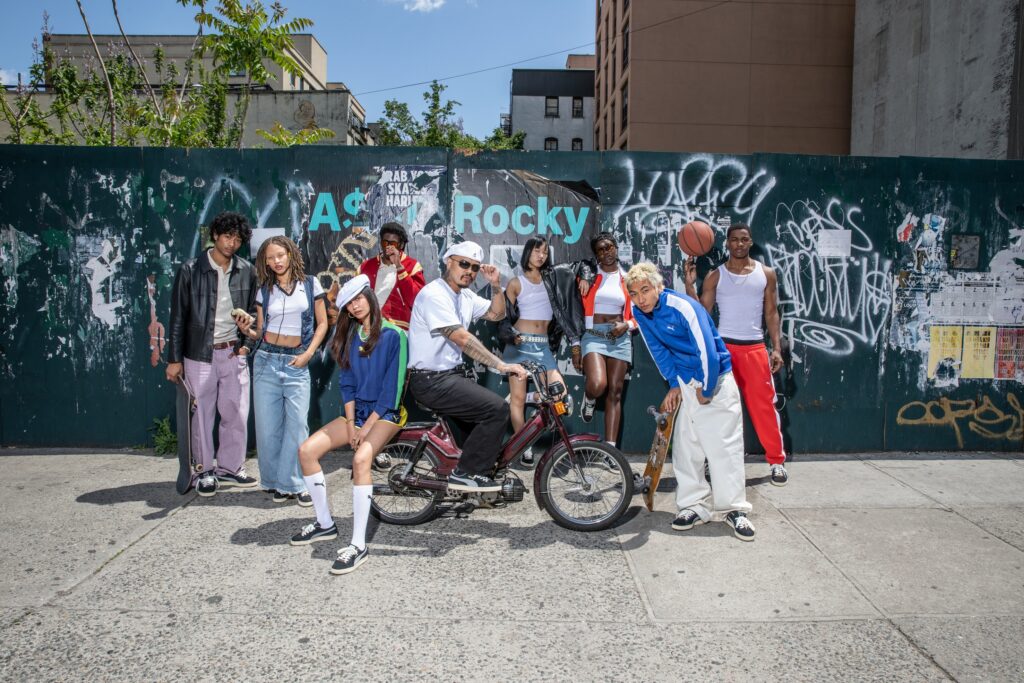
Having served as PUMA’s Creative Director for more than three years, Rocky chose the Suede ’94 because of its deep cultural significance. The model emerged during a defining era when hip-hop, skateboarding, and street fashion were shaping the identity of New York City—a world that heavily influenced his upbringing.



The updated Suede ’94 stays faithful to the original while introducing premium details that make it distinctly Rocky. A raw-edge padded tongue, retro woven label, slimmer tooling, gold PUMA lace keeper, and custom shoebox elevate the release, while the standout feature is the return of the oversized retro PUMA logo across the quarter panel—a design element never before seen on another Suede model.
For Rocky, the project is also deeply personal.


“I remember when my mom bought me my first pair of suedes,” says A$AP Rocky. “Growing up in New York and seeing Walt Clyde Frazier with his style and his PUMA suedes, they were the shoes. And now to be able to tap into that 90s nostalgia and bring them back with my own creative lens and special details, it’s great. PUMA hasn’t brought the ’94 back since it dropped and reviving it stitch-for-stitch from the archive just felt right.”
More than just another retro release, the A$AP ROCKY x PUMA Suede ‘94 reconnects one of PUMA’s most celebrated silhouettes with the era that helped define sneaker culture. It’s a reminder that while trends evolve, true icons never lose their relevance.