






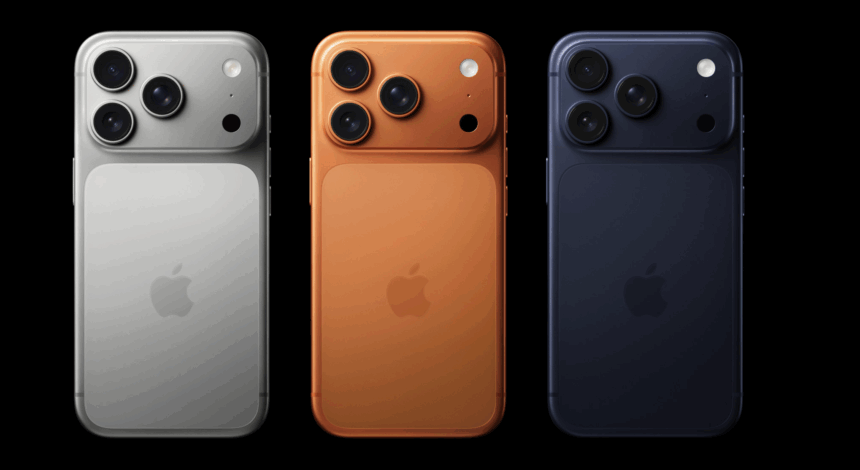
Apple has officially unveiled the iPhone 17, introducing a series of hardware and software upgrades aimed at reinforcing the company’s position at the top of the premium smartphone market. The device arrives with a refreshed design, improved durability, upgraded camera systems, and a new A19 chip engineered for higher performance and efficiency.
Display and Design
The iPhone 17 features a 6.3-inch Super Retina XDR display with ProMotion technology supporting up to 120 Hz refresh rates. Apple has increased peak brightness to 3000 nits, improving outdoor visibility and color accuracy. The device uses the second-generation Ceramic Shield for enhanced durability and scratch resistance.
The phone launches in several new finishes, including black, lavender, mist blue, sage, and white.
Camera Upgrades
Apple has overhauled the camera system with a 48-megapixel primary sensor paired with an upgraded ultra-wide lens. The front-facing camera has also been redesigned, now featuring the “Center Stage” system, which automatically keeps subjects in frame during video calls and recordings. The company says both photo and video performance have been improved in low-light and motion-heavy scenarios.



Performance and Battery
Powered by the new A19 chip, the iPhone 17 delivers faster processing speeds, improved graphics performance, and increased energy efficiency. This results in smoother multitasking, better gaming performance, and extended battery life during daily use.
Software
The device ships with iOS 26, which introduces the “Liquid Glass” interface—a refreshed visual layout offering smoother animations and a cleaner overall appearance. New AI-powered features have also been embedded into the system, including enhanced voice processing, smarter photo organization, and improved privacy tools.



Market Position
The iPhone 17 is positioned as Apple’s next major step toward a more unified hardware-software ecosystem. For content creators, photographers, and high-demand users, the upgrades present meaningful improvements. For users on recent models, the differences may be more incremental, with the biggest changes being display quality, camera performance, and processing power.
Apple’s latest release reinforces its continued push toward premium design, advanced imaging, and AI integration as key pillars of its product strategy.